June 4, 2026
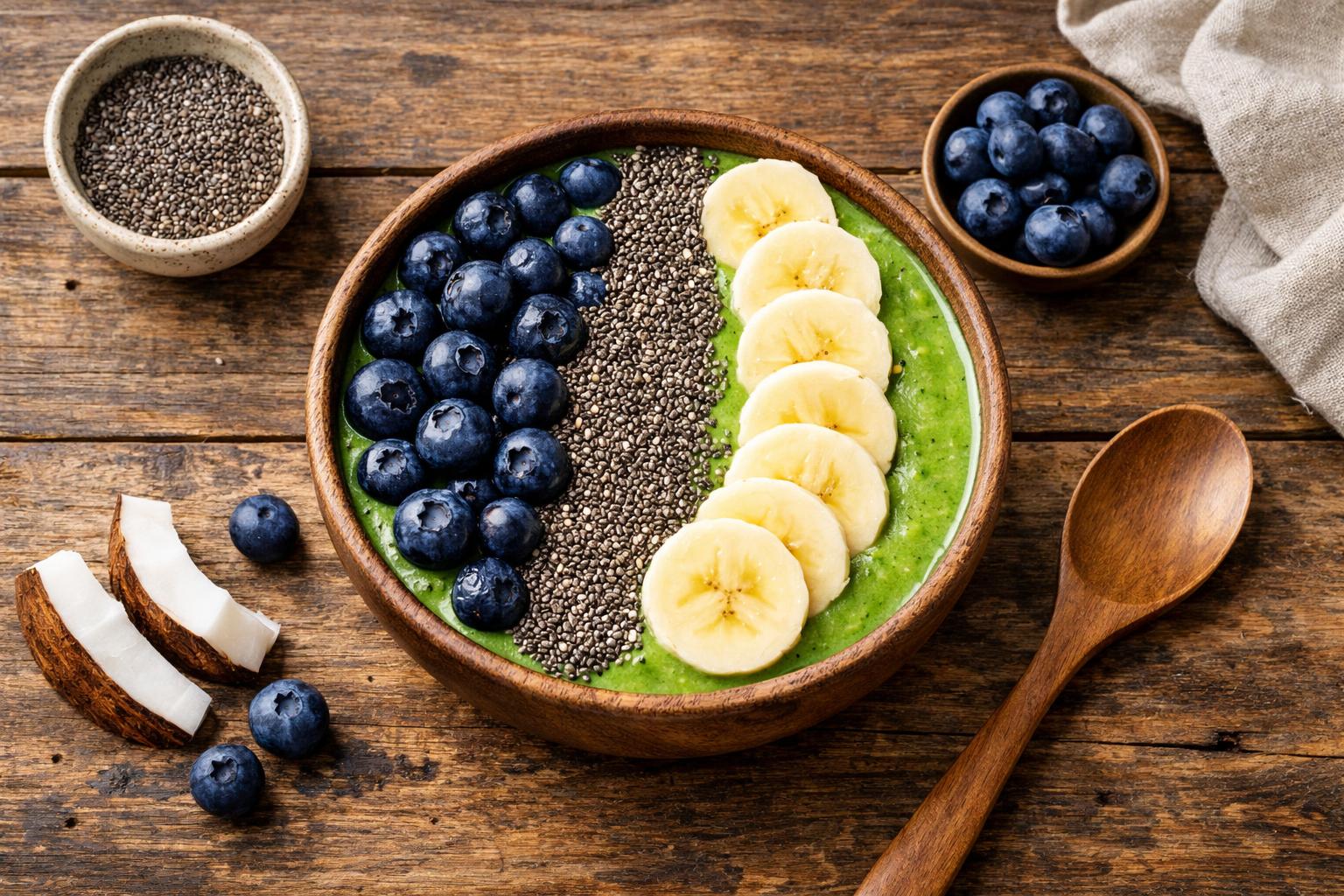
Why breakfast protein changes the rest of the day
A practical look at fullness, Blood Sugar patterns, and morning structure.
Read more →
Published June 11, 2026 • By Elaine R.
Supplement labels are designed to look official, reassuring, and sometimes a little overwhelming. A bottle can promise immune support, brain support, energy, calm, healthy aging, Blood Sugar balance, or Weight Management help before you have even reached the fine print. The label may include familiar nutrients, unfamiliar plant extracts, trademarked blends, tiny footnotes, and a long list of other ingredients. Reading it well does not require a chemistry degree. It requires slowing down and asking a few better questions.
The first question is not “Is this natural?” Natural does not automatically mean useful, safe, or appropriate for your body. The better question is “What exactly is in this, how much is provided, and is that amount supported by human evidence for the reason I am taking it?” Vitamins & Supplements can be helpful when they fill a real gap or support a specific need, but they can also become expensive clutter when the label relies more on suggestion than substance.
The serving size is the quiet detail that changes everything. A front label may say a product contains 1,000 milligrams of an ingredient, but the supplement facts panel may reveal that amount requires three capsules, two scoops, or multiple servings per day. If a person only takes one capsule because the bottle is expensive or hard to tolerate, they may be receiving far less than the advertised amount. That does not mean more is always better. It means the real dose matters.
Dose should be interpreted with context. For vitamins and minerals, the label may show a percent daily value. Very high percentages are common, especially with B vitamins, but high numbers are not automatically superior. Some nutrients can cause problems when taken in excess, particularly fat-soluble vitamins and certain minerals. Other nutrients, such as vitamin D or iron, may be more appropriate when guided by lab results or clinician advice. If a product seems to treat “more” as the main benefit, pause before assuming that is a Health & Wellness advantage.
Also look at the form. Magnesium oxide, citrate, glycinate, and other forms do not behave identically. Some are more likely to affect digestion; others may be chosen for tolerability. Vitamin B12 may appear as cyanocobalamin or methylcobalamin. Folate may appear in different forms. These details do not make one form universally best, but they can affect comfort, absorption, cost, and suitability. A label that tells you the form is usually more informative than one that hides behind a vague name.
Proprietary blends are one of the most confusing parts of supplement labels. A blend may list several herbs, amino acids, extracts, or specialty ingredients under one total weight. The problem is that you may not know how much of each ingredient is included. The first ingredient is usually present in the largest amount, but the exact dose of each component can remain unclear. That makes it difficult to compare the product with research or to understand whether a meaningful amount is present.
Marketing language deserves the same scrutiny. “Supports memory” is not the same as “prevents Memory Loss.” “Supports healthy glucose metabolism” is not the same as treating diabetes. “Clinically studied ingredients” may mean one ingredient was studied in a different dose, population, or product formula. Structure and function claims can be legal without proving that the bottle will deliver the outcome a buyer imagines. This is where calm reading protects your wallet.
Look for whether the label explains standardized extracts. If an herbal product says it contains an extract, the useful question is standardized to what compound and in what amount. Without that information, two products with the same herb name may not be comparable. Plant products are complicated, and their effects can vary by preparation, concentration, and quality. A label that gives more specificity is not automatically perfect, but it gives you more to evaluate.
Third-party testing can be a positive sign because supplements are not regulated in the same way as prescription medications. Testing seals may indicate that a product has been evaluated for identity, purity, potency, or contaminants. That can matter for minerals, fish oil, protein powders, botanicals, and products marketed to athletes. If a label carries a recognizable testing seal, it is worth checking what the seal actually verifies. Some programs confirm that the bottle contains what it says; others focus on banned substances or manufacturing practices.
Testing does not prove that a supplement works for your goal. It can help answer “Is this product made to a certain quality standard?” It does not fully answer “Do I need this?” or “Is this safe with my medications?” Those questions require personal context. Blood thinners, blood pressure medications, diabetes medications, antidepressants, pregnancy, kidney disease, liver disease, upcoming surgery, and diagnosed deficiencies can all change the risk-benefit picture. A supplement can be sold over the counter and still deserve a clinician’s input.
Other ingredients matter too. Sweeteners, colors, allergens, gelatin, soy, dairy, and sugar alcohols may affect whether a product fits your needs. Gummies, for example, can be convenient but may include added sugar and may not be the best format for every nutrient. Powders can make larger doses easier but may include flavors or stimulants. Capsules can be simple, but serving size can creep upward quickly. The best format is the one that provides the appropriate ingredient, at a sensible dose, in a way you can use safely.
A supplement label is not just a list; it is a small argument asking for your trust. Read serving size, dose, form, testing, blends, claims, and safety cautions before you buy. If the label is vague, the promise is extreme, or the dose does not match the evidence you have seen, that is useful information. Vitamins & Supplements can have a place in a thoughtful wellness routine, but the best bottle is not the loudest one. It is the one that matches a real need, has a transparent label, and fits safely into the bigger picture of food, sleep, movement, medical care, and common sense.
A practical look at fullness, Blood Sugar patterns, and morning structure.
Read more →
Sleep, movement, food patterns, and brain-supportive basics.
Read more →