Health & Wellness Briefings
Short, grounded reads on sleep, hydration, movement, stress, metabolic health, and the daily habits that quietly shape long-term wellbeing.

A daily email for people who want nutrition research without panic headlines. Read clear articles on Health & Wellness, Vitamins & Supplements, Blood Sugar, Weight Management, and Memory Loss before the day gets noisy.
What we cover
Each article is built around a practical question: what matters, what is overstated, what is still uncertain, and what you can discuss with your clinician if it applies to you.
Short, grounded reads on sleep, hydration, movement, stress, metabolic health, and the daily habits that quietly shape long-term wellbeing.
Evidence checks on ingredients, dose ranges, label claims, safety cautions, and when food-first choices may do more than another bottle.
Plain-English explanations of glucose spikes, protein and fiber pairing, breakfast choices, walking after meals, and why context matters.
Articles that connect Weight Management, appetite, aging, and Memory Loss prevention without selling quick fixes or miracle routines.
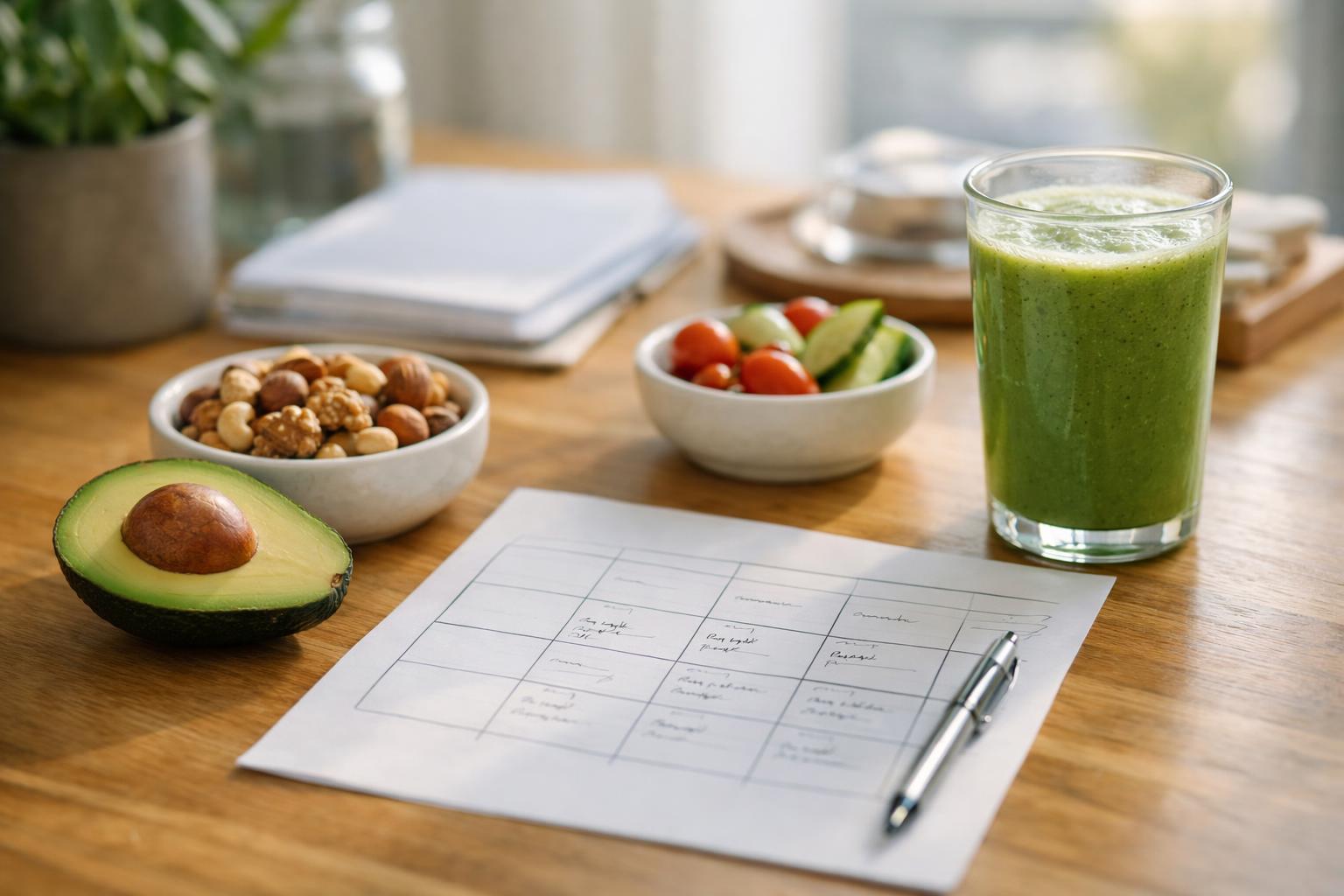
Why the email exists
I started shaping 60minutes wellness around a simple frustration: smart people were wasting time sorting through dramatic headlines, influencer claims, supplement ads, and half-explained study results. Most readers do not need another impossible plan. They need a careful translation of what the evidence actually suggests.
Our daily email takes one nutrition or wellness topic and slows it down. If a study is observational, we say so. If a supplement has a promising mechanism but thin human evidence, we say that too. If a habit is boring but consistently useful, it gets the attention it deserves.
Los Angeles is full of wellness trends, from boutique powders to blood sugar gadgets to brain-health stacks. Some ideas are useful, some are expensive distractions, and many sit somewhere in between. The newsletter helps you separate practical actions from polished marketing.
Read it over coffee, save it for lunch, or forward it to a family member who keeps asking about magnesium, protein, glucose, or memory concerns. The goal is not to make you anxious. The goal is to give you enough context to make the next choice with more confidence.
Ask about subscribingWhat readers gain
The newsletter is designed for readers who want practical nutrition context without needing to become researchers themselves.
One question, one article, one useful takeaway instead of a crowded feed of disconnected advice.
Health & Wellness, Vitamins & Supplements, Blood Sugar, Weight Management, and Memory Loss stay in regular rotation.
Most articles are written for a quick read, with clear sections if you want to scan first and dig in later.
No scare tactics, no magic detox language, and no pretending one food fixes every problem.
Editorial approach
Nutrition information can feel strangely personal and strangely technical at the same time. One headline says coffee protects the brain, another warns about stress hormones. A friend recommends a supplement stack, an ad promises better Blood Sugar by Friday, and a short video turns a small study into a universal rule. 60minutes wellness exists to slow that process down. The daily email gives readers a clear explanation of what is known, what is uncertain, and what deserves a conversation with a qualified healthcare professional.
Good Health & Wellness writing should help you make decisions at the grocery store, in the kitchen, at a medical appointment, or during a busy work week. That means we do not stop at “eat more fiber” or “sleep better.” We explain why fiber changes digestion and fullness, how evening routines can affect late-night snacking, and why a ten-minute walk after dinner may be more realistic than an aggressive exercise plan. Context matters because the most effective habit is usually the one a person can repeat.
Vitamins & Supplements can be helpful in specific situations, but they are also one of the easiest areas for marketing to outrun science. Our articles look at the ingredient first: what it is, what role it plays in the body, what human studies suggest, and what safety issues deserve attention. For example, magnesium content varies by form, vitamin D needs can depend on blood levels and sun exposure, and herbal products may interact with medications. A calm explanation protects readers from two common mistakes: dismissing every supplement as useless or assuming every “natural” capsule is automatically safe.
Blood Sugar, Weight Management, and Memory Loss are often discussed as separate concerns, but everyday habits can overlap. Protein at breakfast may support fullness and reduce grazing for some people. Fiber-rich meals may soften glucose swings while also supporting heart and gut health. Regular movement, sleep quality, alcohol intake, and stress patterns can influence appetite, metabolic health, and how mentally sharp a person feels during the day. None of this means lifestyle is a cure-all. It means nutrition education is more useful when the body is treated as connected.
Evidence-based does not mean every question has a perfect answer. It means the article respects study quality, sample size, limitations, and real-world application. A randomized trial carries a different weight than a mouse study. A population study can reveal patterns but cannot prove every cause. A traditional remedy may be interesting while still needing better human data. Our editors write with that nuance because readers deserve more than certainty theater. The finished email should leave you more informed, not more frightened, and ready to make a grounded next step.
Reader notes
I signed up because my dad keeps asking about memory supplements and I was tired of guessing. The article on omega-3s was balanced, not pushy, and I actually forwarded it to him with two parts highlighted.
The Blood Sugar emails are the ones I save. I tried the walk-after-lunch idea for a week and my afternoon crash was not totally gone, but it was noticeably less dramatic. That felt useful and realistic.
I appreciate that the supplement pieces say when the evidence is thin. Sounds basic, but most wellness emails never admit that. The magnesium breakdown helped me stop buying the random bottle from the checkout aisle.
From the blog
Start with these three reader-friendly articles, then subscribe if you want the same kind of clarity delivered daily.
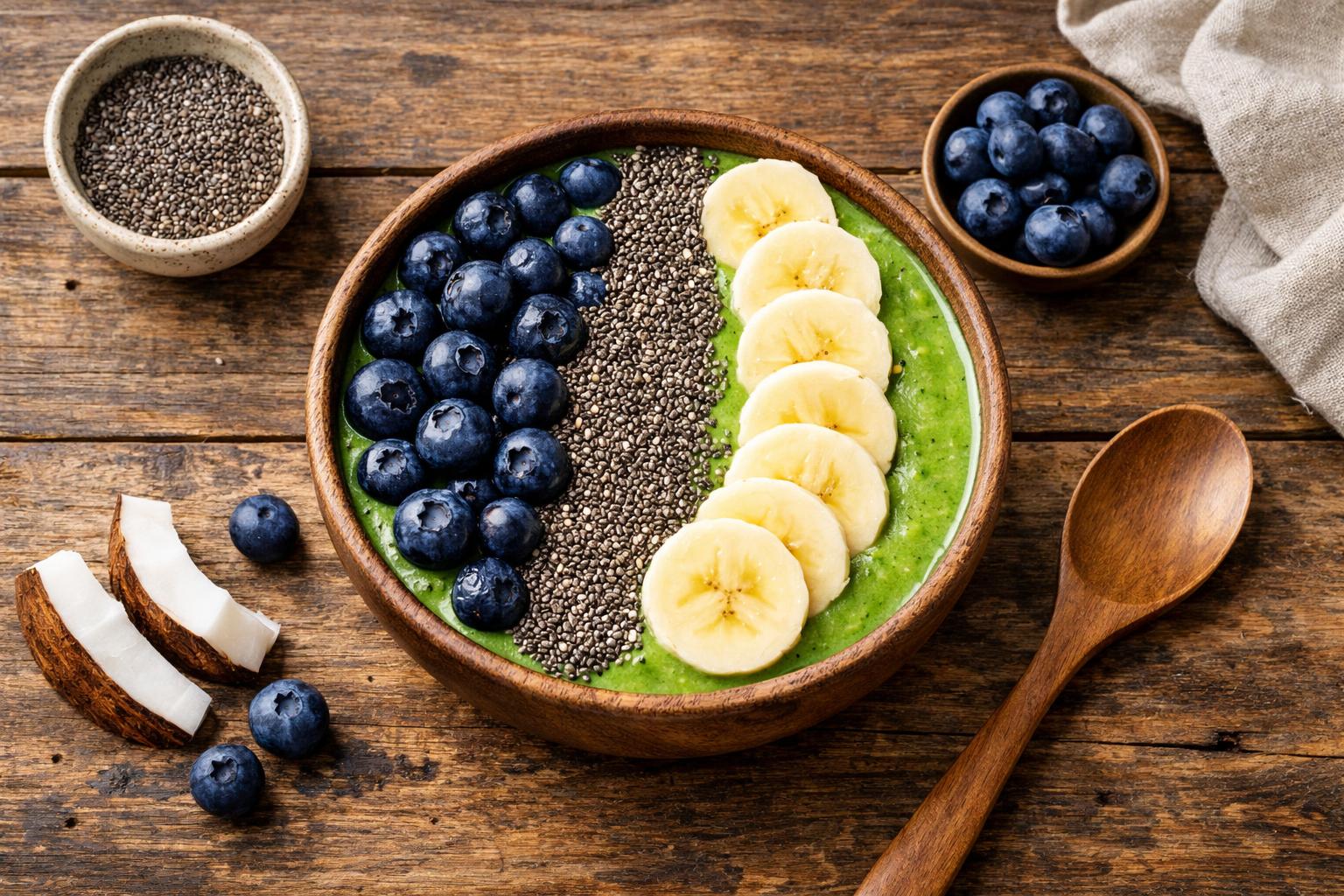
A practical look at fullness, Blood Sugar patterns, and why a sweet breakfast can leave some people chasing snacks by 10 a.m.
Read more →
What serving sizes, forms, third-party testing, and “proprietary blends” can tell you before you spend money.
Read more →
Sleep, movement, blood pressure, food patterns, and the everyday basics that matter more than most miracle brain claims.
Read more →Questions before subscribing
You receive one daily email with a focused, evidence-based article. The topic may cover Health & Wellness, Vitamins & Supplements, Blood Sugar, Weight Management, Memory Loss, or a related nutrition question readers are asking. Each email is written to give you a practical takeaway, not a pile of links with no explanation. When the evidence is mixed, we say that clearly so you are not left with false certainty.
No, the articles are educational and are not a replacement for medical care. Nutrition can interact with diagnoses, lab results, prescriptions, pregnancy, kidney disease, diabetes care, and other personal factors. That is why we explain general research and also point out when a topic should be discussed with a licensed clinician. A newsletter can help you ask better questions, but it cannot safely diagnose or treat you.
The articles are written and edited by experienced health editors who are comfortable reading nutrition research and translating it for everyday readers. The tone is careful because wellness content often becomes exaggerated once it reaches social media. We look for reputable sources, explain limitations, and avoid turning a small study into a universal rule. The result is meant to sound like a smart editor sitting at your kitchen table, not a sales script.
Most emails take about three to seven minutes to read. The format is intentionally focused because busy readers often abandon long articles even when the subject matters to them. If an issue needs more detail, we use subheadings and plain examples so you can scan the main points first. You can always save the email and return to it later if it connects to a decision you are making.
We generally discuss ingredients, evidence, safety, and label quality rather than pushing a specific brand. That approach is more useful because supplement formulas change, availability varies, and a product that suits one person may be wrong for another. For example, we might explain why third-party testing matters or why a certain mineral form is easier for some people to tolerate. We also remind readers to check medication interactions and medical conditions before starting supplements.
They can help you understand the lifestyle side of Blood Sugar, especially meal composition, fiber, protein, movement, sleep, and timing. We explain why a meal with only refined carbohydrates may affect some people differently than a meal that includes protein, fat, and fiber. We also avoid pretending that everyone responds the same way, because glucose patterns can vary by medication, stress, sleep, activity, and health status. If you have diabetes or concerning symptoms, your clinician should guide treatment decisions.
Yes, if you want sustainable education rather than a strict diet plan. We cover appetite, protein, fiber, portions, meal planning, sleep, alcohol, stress eating, and realistic routines that support Weight Management over time. The reason this matters is that many weight-loss messages focus only on willpower, which ignores the biology and environment behind eating patterns. Our goal is to help you build structure without shame or impossible rules.
Yes, Memory Loss and brain-supportive habits are part of the editorial rotation. We cover food patterns, physical activity, sleep, vascular health, hearing, social connection, and the difference between everyday forgetfulness and symptoms worth discussing with a professional. Brain health claims online can be especially overconfident, so we are careful about language. We would rather explain a modest but credible habit than promise a miracle from one pill.
Topics come from reader questions, recurring nutrition myths, new research, seasonal habits, and wellness claims that need better context. If a subject is getting attention online, we ask whether readers need a calm explanation before they buy something or change a routine. We also revisit basic topics because fundamentals like protein, fiber, sleep, and walking are often more useful than trendy hacks. The best topic is usually one that helps someone make a decision this week.
No, readers can subscribe from anywhere the email reaches them. We are based in Los Angeles, and that does shape our awareness of wellness trends, boutique supplement marketing, and the constant pressure to optimize everything. Still, the nutrition questions are widely relevant: what to eat, what to skip, what to ask a clinician, and what is probably hype. The writing is local in temperament but broad in usefulness.
Yes, you can unsubscribe using the link included in every email. You do not need to call, explain yourself, or wait for someone to manually remove you. That matters because a health newsletter should feel helpful, not sticky or difficult to leave. If your needs change, you can step away and return later.
Your email address is used to send the newsletter and manage subscription-related communication. We do not want readers worrying that one signup will turn into a flood of unrelated messages. Details about collection, use, and choices are explained in the Privacy Policy linked in the site navigation and cookie banner. If you have a specific privacy question, you can contact us at support@60minuteswellness.com.
Get in touch
Use the form for newsletter questions, editorial notes, or support requests. We answer by email because it gives us room to be clear.
1842 Westwood Boulevard, Los Angeles, CA 90025
Email support only at this time
Monday to Friday, 9:00 AM to 5:00 PM Pacific Time